- Democracy in West Africa: Beyond Elections, Toward Accountability
- ECOWAS Integration: Stop the Political Lip Service
- Ghana’s Cedi Crisis: Citizens Deserve Monetary Stability
- Nigeria’s Oil Dependency: Time to Break the Curse
- United States Signals Continued Tight Monetary Policy Amid Inflation Concerns

Burkina Faso’s Proposed Return of Death Penalty Sparks Human Rights Outcry
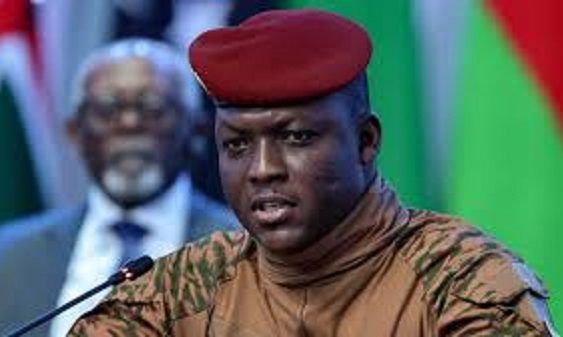
Burkina Faso’s government has triggered intense national and international concern following its decision to approve a bill that would reinstate the death penalty for crimes such as treason, terrorism and espionage. The proposal, which marks a reversal of the country’s 2018 abolition of capital punishment, is now before the Transitional Legislative Assembly for formal consideration.
Officials supporting the measure argue that the worsening security situation and the persistent threat posed by extremist groups require stronger deterrent mechanisms. They maintain that the proposed legal change forms part of a broader national security framework aimed at restoring public order and protecting the state during a period of heightened instability.
Human rights organisations however, have responded with firm opposition. Amnesty International, Human Rights Watch and several regional civil society coalitions have condemned the bill, describing it as a step backward for human rights and judicial reform within the region. They warn that restoring the death penalty risks entrenching abuses, especially in a justice system already strained by conflict, displacement and limited institutional capacity.
Critics also note that global and continental trends continue to shift toward abolition, with many African states limiting the scope of capital punishment or removing it entirely. Concerns have been raised about the potential for wrongful convictions, the absence of strong legal safeguards and the risk that the measure could be applied in politically sensitive cases under the guise of national security.
The development arrives at a time when Burkina Faso remains under military rule and faces ongoing violence from armed groups operating across the Sahel region. Analysts contend that addressing the root causes of insecurity would require strengthened governance, improved community engagement and more comprehensive social and economic interventions rather than punitive approaches.
The legislative process will determine whether the measure becomes law, but the debate has already intensified public discourse about justice, accountability and the future of human rights protections in the country. As the regional and international community continues to monitor the situation, the proposed policy stands as one of the most consequential legal shifts in Burkina Faso’s recent history.